
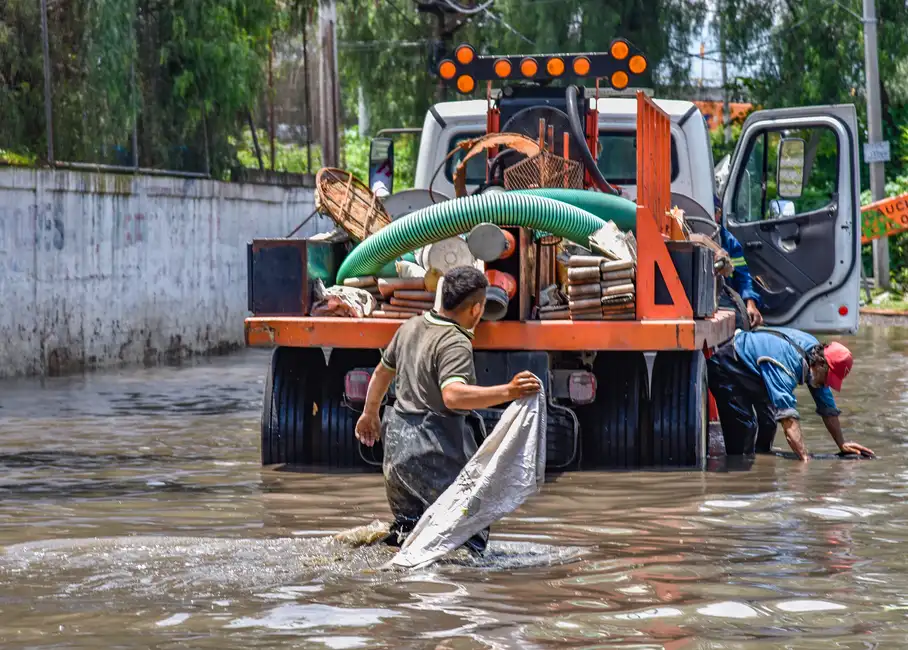
24/7 emergency response, extraction, and structural drying across Fairfax
Flood Damage Cleanup in Fairfax, Done Right the First Time
When water is rising in your basement or a burst pipe has soaked your walls, flood damage cleanup in Fairfax needs to start within the hour. We handle flood water removal, structural drying, and full flood damage restoration for homes and businesses across Fairfax County, from Mosby Woods to Fair Lakes. One call gets a crew moving, day or night.
Live phone supportUpfront optionsBacked workmanship
What's included
What Flood Damage Cleanup Includes
Our standard flood cleanup covers the full dry-out: inspection, extraction, drying, monitoring, and documentation. If structural repairs like drywall replacement or flooring install are needed, we scope those separately so you know exactly what you are paying for. Here is what is included in a typical job.
Moisture Inspection and Mapping
We use a moisture meter, thermal imaging camera, and bore scope camera to find water inside wall cavities, under floors, and in ceilings. This survey determines the drying plan and gives you a clear picture of the damage.
Water Extraction
Truck-mounted water extractors and extraction wands remove standing water from carpet, padding, hardwood, and tile. For contaminated water, we remove affected materials and apply disinfectant before drying.
Structural Drying Setup
We place air movers and dehumidifiers based on the ANSI/IICRC S500 Standard, calculated to the size and saturation of the affected area. Equipment runs continuously until moisture readings confirm the structure is dry.
Daily Monitoring and Documentation
A technician returns each day to log moisture readings, adjust equipment, and photograph progress. That daily log is what supports your insurance claim and confirms the job is done right.
Antimicrobial Treatment
We apply an antimicrobial solution to affected framing and cavities to inhibit mold growth during the drying process. This is standard on every water loss, not an add-on.
Service overview
What Flood Damage Cleanup in Fairfax Really Involves
Flood damage cleanup in Fairfax is the process of removing standing water, extracting saturated materials, and drying a structure back to safe moisture levels before mold or rot sets in. It starts with a moisture meter and thermal imaging camera survey to map how far water has traveled through drywall, insulation, and subfloor. From there we extract, set drying equipment, and monitor daily until readings match a dry standard. It is not a shop-vac job; it is controlled drying to the ANSI/IICRC S500 Standard.
Fairfax homes deal with a specific set of water problems. Finished basements in Penderbrook and Fairchester flood when sump pumps fail during heavy summer storms, and older homes near Old Town Fairfax see hydrostatic pressure seepage through foundation walls. Winter brings frozen pipe bursts in crawlspaces and exterior walls. If you are searching for emergency flood damage cleanup Fairfax VA near me at 2 a.m., we answer and dispatch a crew with truck-mounted extraction equipment.
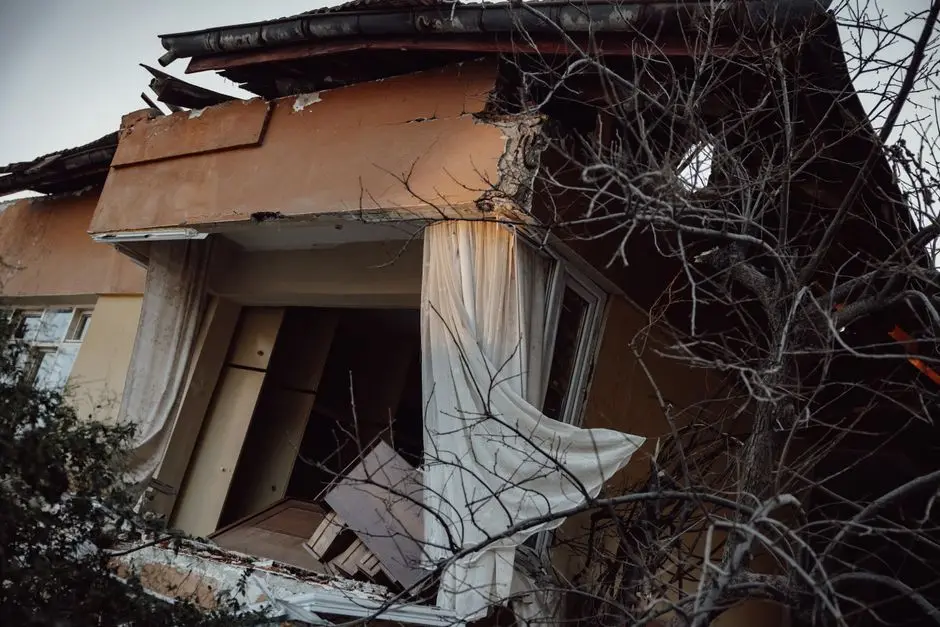
How we workWe verify the cause, compare realistic options, and confirm the repair before we leave.
The service timeline
What to Expect From Our Process
The process flexes to the condition, but these checkpoints keep decisions clear.
Emergency Call
You call and describe what happened. We ask about the water source, whether it is still running, and whether power is safe. A crew is dispatched with extraction equipment, and we give you a realistic arrival window. If the water is near electrical panels, we tell you to shut the breaker before we arrive.
Inspection and Mapping
On arrival we use a moisture meter, thermal imaging camera, and bore scope camera to find water you cannot see, inside wall cavities and under flooring. This survey takes 20 to 40 minutes and determines the drying plan. We show you the readings so you understand the scope.
Water Extraction
Truck-mounted water extractors and portable extraction wands pull standing water out of carpet, padding, and hard floors. For sewage backup or storm water intrusion, we remove contaminated materials and apply disinfectant before drying begins. Extraction typically takes two to four hours on a standard basement.
Drying and Monitoring
We set air movers and dehumidifiers in a calculated pattern based on the ANSI/IICRC S500 Standard, then return daily to log moisture readings. Drying usually runs three to five days. We adjust equipment placement as walls dry from the outside in and pull gear as soon as readings hit the dry standard.
Final Walkthrough
Once readings confirm the structure is dry, we do a final walkthrough with you, photograph the results, and hand over documentation for your insurance claim. If any drywall, baseboard, or insulation needs replacement, we scope that repair and schedule it before we close the job.
Tools & methods
Tools and Methods We Use
Purpose-built equipment, used by trained technicians, so the job is done accurately the first time.
Truck-mounted water extractor
Pulls large volumes of standing water out of carpet and hard floors fast, which is the first step in any flood cleanup.
Thermal imaging camera
Reveals temperature differences that indicate hidden moisture inside walls, ceilings, and floors without opening them up.
Moisture meter and infrared hygrometer
Measures moisture content in drywall, wood, and air so we can confirm when the structure has reached dry standard.
Dri-Eaz and Phoenix air movers
Circulate air across wet surfaces to accelerate evaporation. We calculate placement based on the size of the affected area.
Commercial dehumidifiers
Remove moisture from the air so it does not re-condense on walls and floors. We run Dri-Eaz and Phoenix units, not residential boxes.
HEPA air scrubber and negative air machine
Capture airborne mold spores and dust during cleanup and create negative pressure to keep contamination contained.
Bore scope camera
Lets us look inside wall cavities and behind baseboards to find water and mold without unnecessary demolition.
Use cases
When to Call for Flood Damage Cleanup
These examples show how the service framework adapts rather than forcing every call through one repair.
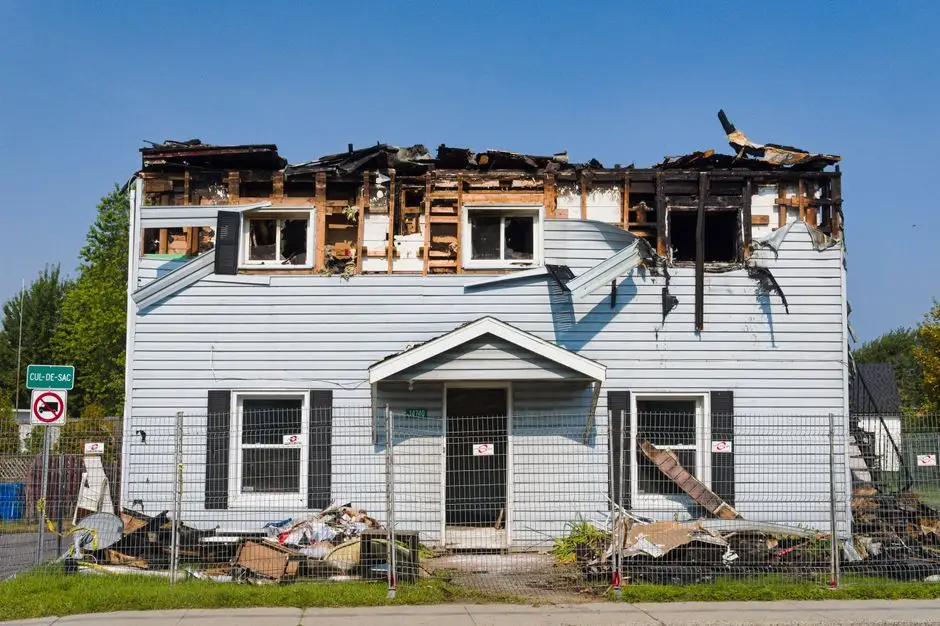
Burst Pipe Behind Kitchen Wall in Old Town
A supply line burst behind the kitchen wall while the homeowners were at work. Water ran for several hours, soaking the wall cavity and dripping into the basement ceiling below. → We located the moisture with a thermal camera, opened the wall, and extracted water from the cavity and ceiling. Drying ran five days. The plumber repaired the pipe, and we replaced the drywall and repainted.
Sewage Backup in Fair Lakes Rental Unit
A basement floor drain backed up sewage across 400 square feet of a rental unit. The flooring and lower drywall were contaminated, and the tenant had to relocate temporarily. → Our AMRT certified crew removed the contaminated materials, extracted the water, applied disinfectant, and dried the structure in six days. New flooring and drywall were installed, and the tenant moved back in.
Problems we solve
Flood Problems We Solve in Fairfax County
Most flood calls we get fall into a handful of categories. Each one needs a different approach, and getting it wrong means mold or structural damage later. Here is what we handle.
Sump pump failure during a storm
We extract the standing water, remove saturated materials, and dry the space with air movers and dehumidifiers. We also check the sump pit and can recommend a battery backup so the next storm does not repeat the problem.
Burst or frozen pipe inside a wall
We locate the moisture with a thermal imaging camera, open the wall as needed, extract water, and dry the cavity. The pipe repair is coordinated so the wall can be closed and finished once dry.
Sewage backup in a basement drain
Our IICRC AMRT certified technicians remove contaminated materials, extract the water, apply disinfectant, and dry the structure. We handle the full cleanup so the space is safe to use again.
Storm water intrusion through foundation walls
We identify the entry points, extract the water, and dry the space. We also document the seepage pattern so you can address drainage or waterproofing with a foundation contractor.
Pricing process
What Flood Damage Cleanup Costs
$1,200 - $6,500 depending on scope
Water category
Clean water from a burst pipe costs less to clean up than category 3 sewage, which requires removal of contaminated materials and full disinfection.
Square footage affected
More area means more extraction time, more drying equipment, and more daily monitoring. A 200-square-foot bathroom is a different job than an 800-square-foot basement.
Materials involved
Carpet and padding often have to be removed, while hardwood and tile can sometimes be dried in place. The more material that comes out, the higher the cost.
Customer reviews
What Fairfax Customers Say
★★★★★
“Our sump pump failed during a storm and we had two inches of water across the finished basement. They answered at 11 p.m., walked me through shutting off the power, and had a crew here in under an hour. Extraction took about three hours, and the drying equipment ran for four days. They saved the carpet and the baseboards. Insurance approved the claim without a fight because of their documentation.”
★★★★★
“A pipe burst behind the kitchen wall while we were at work. By the time we got home, water had soaked through to the basement. The crew found moisture in the wall cavity with a thermal camera that we never would have known about. They cut out the wet drywall, dried everything, and had us back to normal in about a week. Straightforward pricing, no surprises.”
★★★★★
“We manage several rental units and had a sewage backup in one of them. Their team handled the contaminated cleanup, removed the affected flooring, and disinfected everything. They coordinated with our insurance adjuster directly and provided the Xactimate estimate. Tenants were back in the unit in six days. We use them for all our water losses now.”
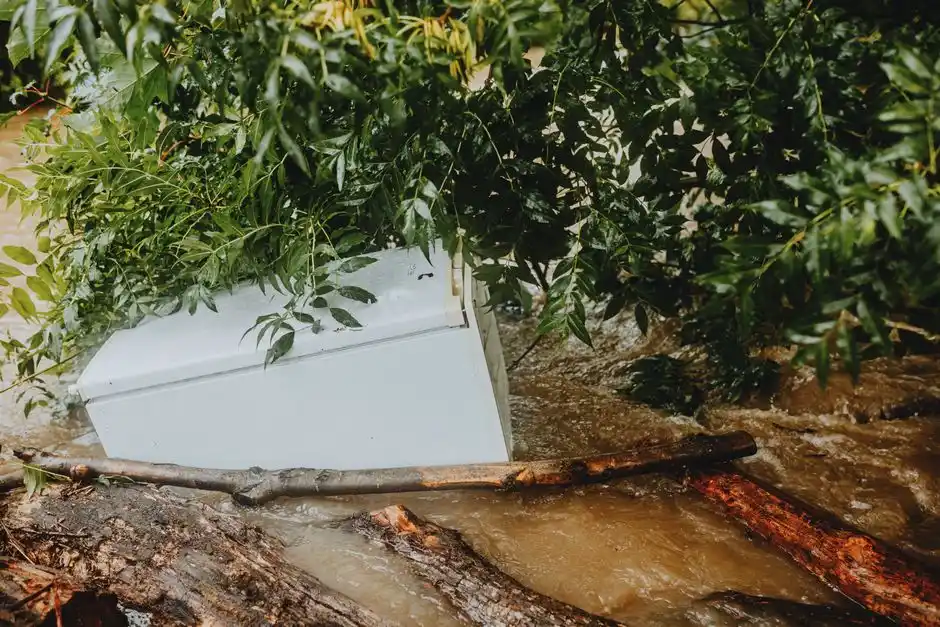
How much does flood damage cleanup cost in Fairfax VA?
Most residential flood damage cleanup in Fairfax runs $1,200 to $6,500 in 2026, depending on square footage, water category, and how much material needs removal. A small appliance leak with carpet extraction may land near the low end, while a flooded finished basement with sewage contamination pushes toward the high end. We give you a written scope and price before work starts.
Does insurance cover flood damage cleanup in Fairfax VA?
Most homeowners policies cover sudden water damage like a burst pipe or water heater failure, but not rising storm water, which requires separate flood insurance. We document moisture readings, photos, and a Xactimate estimate so your adjuster can process the claim quickly. Call your carrier first, then call us; we work with most major insurers.
How long does flood damage cleanup take in Fairfax?
Extraction usually takes two to four hours, and structural drying runs three to five days for a typical basement. Larger losses with contaminated water or widespread drywall saturation can take seven to ten days. We monitor moisture daily and pull equipment as soon as readings hit dry standard, so you are not waiting longer than necessary.
Who does emergency flood cleanup in Fairfax VA?
We do, 24 hours a day, seven days a week. Our crews respond to burst pipes, sump pump failures, sewage backups, and storm water intrusion across Fairfax County with truck-mounted extraction and drying equipment. Call and describe the situation; we will tell you what to shut off and give you an arrival window.
Related services
Related Services
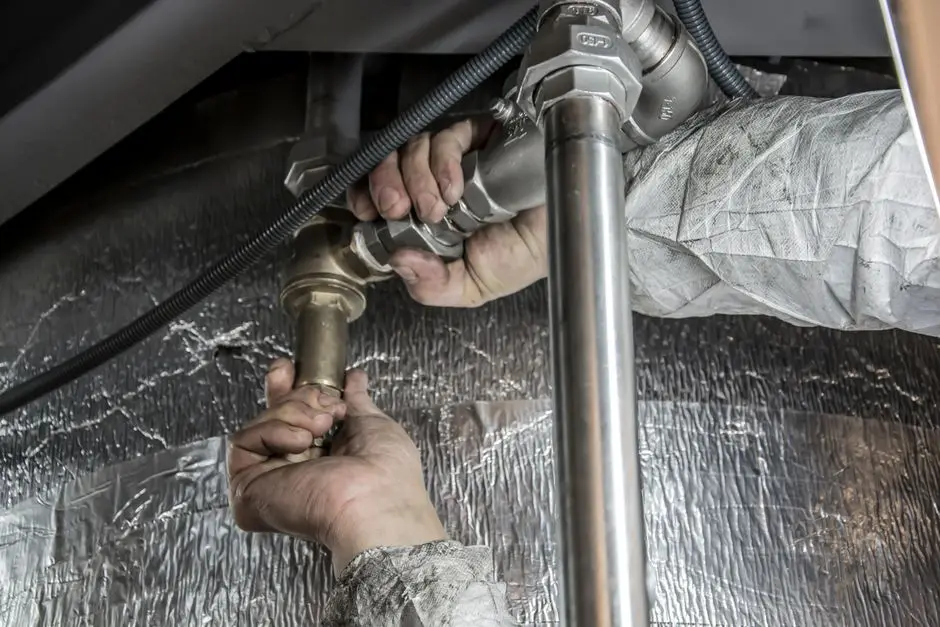
Burst Pipe Water Damage Repair
A burst pipe is one of the most common causes of flood damage in Fairfax. We shut off the line, extract the water, dry the structure, and coordinate the pipe repair so your walls and floors are protected from further damage.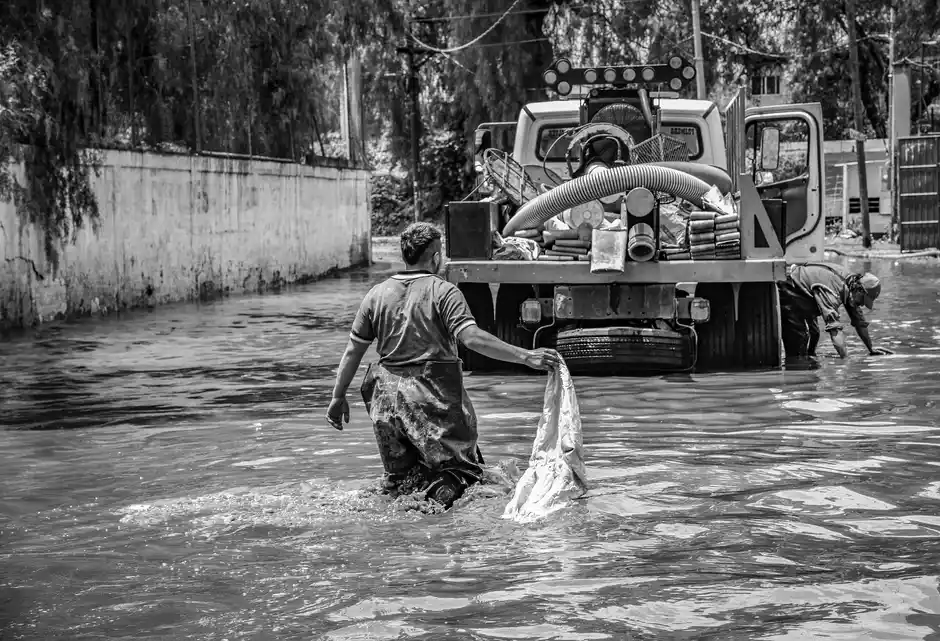
Flooded Basement Cleanup
Finished basements in Penderbrook and Fairchester flood fast when sump pumps fail. We extract standing water, remove saturated drywall and insulation, and dry the space to prevent mold growth before it starts.
Sewage Backup Cleanup
Sewage backups are category 3 water, which means contaminated materials must be removed and the area disinfected. Our IICRC AMRT certified technicians handle the cleanup and apply antimicrobial solution to affected surfaces.Ready when you are
Get Flood Damage Cleanup in Fairfax Started Now
Water spreads fast, and every hour counts. Call us and we will dispatch a crew with extraction and drying equipment, give you an arrival window, and tell you what to shut off while you wait. Licensed, insured, and available 24/7.
Talk with the local team
Request Flood Damage Cleanup
Call us any hour, any day. Our line is staffed 24/7, and we dispatch for emergencies around the clock. If you are dealing with standing water right now, call instead of emailing, we will tell you what to shut off and get a crew moving toward your address.