
Why is water seeping through your Fairfax basement floor
Water seeping through a Fairfax basement floor almost always traces back to hydrostatic pressure, a cracked slab, or a failed drain. Here's how to find the source and fix it.
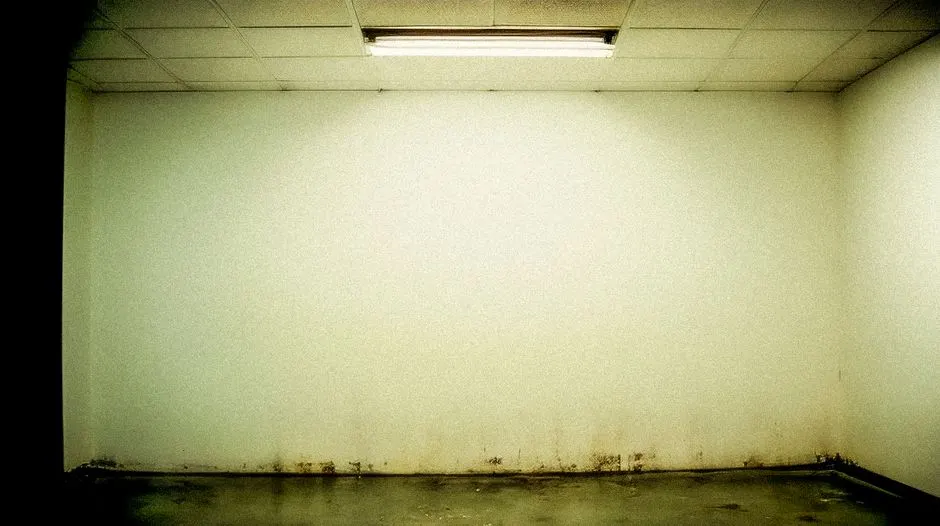
Water seeping through your Fairfax basement floor is almost always groundwater being pushed up through the concrete slab by hydrostatic pressure, or surface water finding a gap in the slab, cove joint, or floor drain. It is rarely a plumbing leak and almost never fixes itself. The pressure builds from saturated soil under the slab, and the water takes the path of least resistance - straight into your basement.
Below we break down the six causes we see most often in Fairfax homes, how to tell them apart, what it costs to fix in 2026, and when it is time to bring in a crew. If you want the short version: find the source, relieve the pressure, and dry the space before mold sets in.
The short answer: hydrostatic pressure and a failing moisture barrier
Hydrostatic pressure is the force groundwater exerts against your foundation walls and slab when the soil around your home is saturated. In Fairfax, that pressure is the number-one driver of basement floor water seepage.
Your basement slab sits on a bed of gravel with a vapor barrier underneath. When that barrier tears, ages out, or was never installed correctly, water wicks up through the concrete. It shows up as a damp patch, a white powdery bloom (efflorescence), or a thin sheet of water after heavy rain.
The fix is not a coat of paint. You have to relieve the pressure and stop the water before it reaches the slab. That is the work our team does every week across Fairfax, and it starts with a proper moisture assessment rather than a guess.
Why Fairfax basements are prone to floor seepage
Fairfax sits on clay-heavy soils that drain slowly, and the region gets roughly 43 inches of rain a year, with the heaviest totals falling between May and September. That combination keeps the ground around your foundation wet far longer than homeowners expect.
Older neighborhoods make it worse. Homes built in the 1950s through 1970s - common around Old Town Fairfax and the Main Street Corridor - often have shallow footings, aging drain tile, and no modern waterproofing membrane. When that drain tile clogs with roots and silt, water has nowhere to go but up.
Newer construction is not immune. Slabs poured over poorly compacted fill can settle and crack, and downspouts that discharge too close to the foundation dump hundreds of gallons against the wall during a single storm. We see the same pattern in neighborhoods like Fair Oaks water damage restoration Fairfax VA, where mature trees and older grading send water toward the house.
The six most common causes of water coming through a basement floor
Water coming through a basement floor in Fairfax usually traces back to one of six sources. Identifying which one you have determines the repair - and the cost.
1. Hydrostatic pressure from saturated soil
This is the big one. When the water table rises after a wet spring or a tropical system, water pushes against the slab and finds the weakest point - usually the cove joint where the floor meets the wall. You will see seepage along the perimeter, not in the middle of the room. A sump pump and interior drain system is the standard fix.
2. Cracks in the slab
Hairline cracks are normal in concrete, but cracks wider than a credit card let water through. They often follow the plumbing trenches cut into the slab during construction. We inject these with polyurethane or epoxy, depending on whether the crack is active.
3. A failed or missing vapor barrier
Homes built before the 1980s frequently have no vapor barrier under the slab. Moisture wicks up through the concrete 24/7, not just after rain. The floor feels damp, and the basement smells musty even in dry weather.
4. Clogged or collapsed drain tile
Footing drains have a lifespan of about 30 to 50 years. Once they clog, water backs up against the foundation and rises through the slab. If your sump pit fills even in dry weather, the drain tile is the likely culprit.
5. A backed-up floor drain
During heavy rain, municipal storm lines can surcharge and push water back through your floor drain. This is a sewage risk, not just a water risk, and it needs a backwater valve plus a proper sewage backup cleanup Fairfax VA if contaminated water has already entered.
6. Poor exterior grading and downspouts
Soil should slope away from the foundation at roughly 6 inches over the first 10 feet. When it slopes toward the house, or downspouts discharge within 3 feet of the wall, you are feeding the problem every time it rains.
Is basement floor seepage a sign of foundation problems in Fairfax?
Basement floor seepage is sometimes a foundation problem, but most of the time it is a drainage and waterproofing problem. The distinction matters because the repair is different.
Look for these warning signs that point to structural movement rather than simple seepage:
- Stair-step cracks in the block or brick walls above the basement
- Doors and windows that suddenly stick
- A floor that has heaved or dropped more than a quarter inch across 20 feet
- Horizontal cracks in the foundation wall, which indicate soil pressure
If you see those, get a structural engineer involved before anyone starts patching. If the only symptom is water along the cove joint or a damp slab, you are dealing with drainage - and that is a much more straightforward fix.
How to stop water seeping through your Fairfax basement floor
Stopping basement floor water seepage in Fairfax means addressing the water before it reaches the slab, then sealing the entry points. Here is the order we work in.
- Fix the exterior first. Extend downspouts 6 to 10 feet from the foundation and regrade the soil to slope away. This alone solves a surprising number of shallow seepage problems.
- Clear the drain tile. If the footing drain is clogged, hydro-jetting or replacing it restores the path for groundwater.
- Install an interior drain and sump pump. A perimeter drain cut into the slab directs water to a sump pit, where a pump moves it outside. Expect $3,500 to $7,500 in 2026 depending on linear footage and pump capacity.
- Seal cracks and the cove joint. Polyurethane injection for active cracks, hydraulic cement and epoxy for the joint. Typically $400 to $1,200.
- Dry the space. Once the water is controlled, the basement has to be dried properly. We use structural drying Fairfax VA with commercial dehumidifiers and air movers to bring framing and concrete back to normal moisture levels within 3 to 5 days.
If the seepage has been going on for weeks, check for mold before you close anything up. Visible mold on baseboards or framing usually means the problem has been active for a while and needs mold remediation Fairfax VA alongside the waterproofing.
What to watch out for: common mistakes
The most common mistake we see in Fairfax is sealing the floor before finding the source. A coat of epoxy or concrete paint traps moisture under the slab, and the pressure pushes it into the walls instead.
Other mistakes worth avoiding:
- Assuming it is a plumbing leak. If the seepage appears only after rain, it is groundwater, not a pipe. A plumber will charge you for a diagnostic you did not need.
- Ignoring the smell. A musty odor means mold is already growing. Waiting six weeks turns a $1,500 drying job into a $6,000 remediation.
- Running a household dehumidifier. A residential unit pulls maybe 30 pints a day. A wet slab releases far more than that. You need commercial drying equipment.
- Skipping the sump pump test. Test your pump every spring by pouring a bucket of water into the pit. A pump that has sat idle for a year often will not start when you need it.
When to call a professional
Call a professional when the seepage covers more than a few square feet, returns within 48 hours of drying, or comes with a sewage smell. Those three signs mean the problem is bigger than a patch and seal.
Our team handles the full scope - finding the source, extracting standing water, drying the structure, and coordinating waterproofing so the water does not come back. We serve homeowners across Fairfax, including older properties near Old Town Fairfax water damage restoration Fairfax VA where aging drain tile is the usual culprit.
If you are not sure whether you have a seepage problem or a plumbing problem, we can tell you in one visit. For homes with active water on the floor right now, our flooded basement cleanup in Fairfax crew can be on site the same day to extract water and start drying.
Frequently Asked Questions
Why is water seeping through my basement floor in Fairfax?
Hydrostatic pressure from saturated clay soil pushes groundwater up through the slab, usually at the cove joint or a crack. Fairfax's 43 inches of annual rain and slow-draining clay make this common, especially in homes built before 1980 with aging drain tile.
How do I stop water seeping through my Fairfax basement floor?
Start outside: extend downspouts 6 to 10 feet and regrade soil to slope away from the foundation. If seepage continues, an interior drain and sump pump system typically solves it. Expect $3,500 to $7,500 in 2026 for a full perimeter system.
Is basement floor seepage a sign of foundation problems in Fairfax?
Usually not. Most seepage is a drainage and waterproofing issue, not structural. But stair-step wall cracks, sticking doors, or horizontal foundation cracks do indicate movement and warrant a structural engineer's inspection before any repair.
Does insurance cover basement floor seepage in Fairfax VA?
Standard homeowners policies usually exclude groundwater seepage and hydrostatic pressure damage. Some policies cover the resulting damage if a covered event, like a burst pipe, caused it. Check your policy or ask your adjuster before assuming coverage.
How long does it take to dry a wet basement floor in Fairfax?
With commercial dehumidifiers and air movers, a typical Fairfax basement reaches normal moisture levels in 3 to 5 days. Concrete slabs can take longer - up to 7 days - if the seepage has been ongoing for weeks before extraction begins.
Get help with water damage restoration Fairfax VA in Fairfax
If water is seeping through your Fairfax basement floor, we can find the source, stop it, and dry the space before mold takes hold. Call us at (725) 309-8505 and we will schedule a same-day assessment.