
Flash Flood Cleanup Checklist for Fairfax County Homeowners
A practical flash flood cleanup checklist for Fairfax County homeowners: what to do in the first hour, how to dry out safely, and when to call a pro.
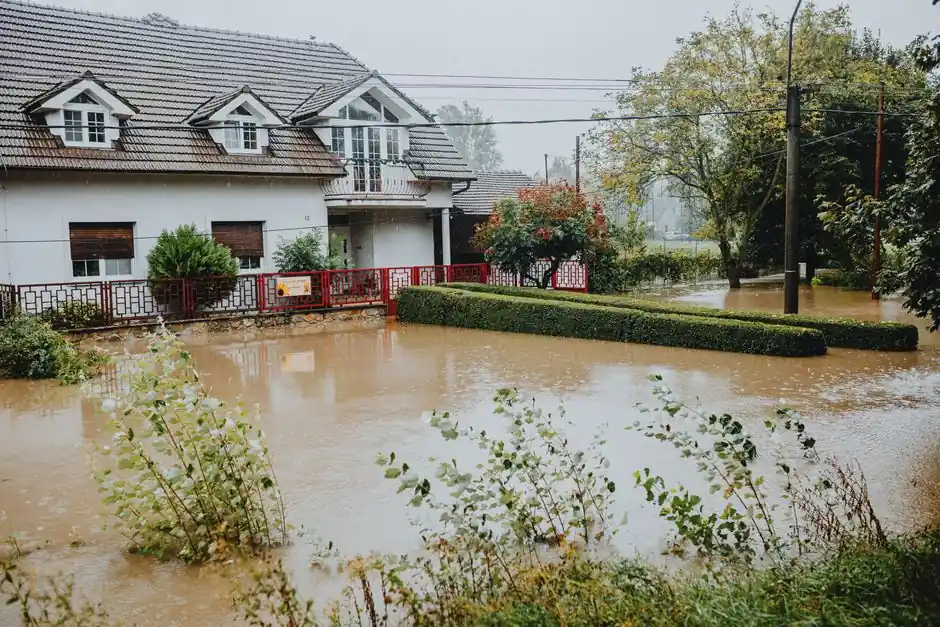
The single most important thing you can do after a flash flood in Fairfax County is get the standing water out and the structure drying within 24 to 48 hours, before mold takes hold. Everything else - documentation, insurance calls, repairs - follows that clock. This checklist walks you through the first hour, the first day, and the first week, with the local details that matter in Fairfax: clay-heavy soil that keeps water in basements, older homes near Old Town Fairfax water damage restoration Fairfax VA with stone foundations, and the storm patterns that push Four Mile Run and Accotink Creek over their banks.
What to do in the first hour after a flash flood
The first hour after a flash flood in Fairfax County is about stopping the water source and protecting people, not cleaning. If water is still rising, shut off the main breaker only if you can reach the panel without standing in water - otherwise leave it and call an electrician. Then move people, pets, and medications to dry ground upstairs or outside.
Once the water stops moving, take photos and video of every room before you touch anything. Insurance adjusters in Fairfax County want timestamped evidence of the water line on drywall, ruined furniture, and any sewage backup. A 60-second phone video walking through each room is worth more than a written list.
If the water came in through a failed pipe rather than the storm, that is a different cleanup path - burst pipe water damage repair in Fairfax covers the shutoff, repair, and drying sequence for pressurized line failures.
Safety first: what not to touch after flash flooding
Flash floodwater in Fairfax County is not clean water. It carries road runoff, lawn chemicals, and often sewage from overloaded municipal lines, which makes it a Category 3 (black water) event under the IICRC S500 standard. Treat every soaked surface as contaminated until it has been cleaned and disinfected.
- Do not wade in standing water in a basement or crawlspace - submerged outlets and extension cords can still be live.
- Do not run a shop vac on a wet floor plugged into a wet circuit; use a GFCI outlet on a dry floor above the water line.
- Do not eat or drink anything that touched floodwater, including sealed packages.
- Do not turn on the HVAC until a technician confirms the ducts and blower are dry - running it spreads mold spores through the whole house.
Wear N95 masks, rubber gloves, and boots with a puncture-resistant sole. If you smell gas or see downed power lines on your property, leave and call 911 before doing anything else.
Step-by-step flash flood cleanup checklist
This is the working checklist we use on flash flood cleanup calls across Fairfax County, ordered so each step makes the next one safe and effective.
- Document everything. Photos, video, and a written inventory of damaged items with approximate purchase dates. Keep receipts for any emergency purchases like fans or dehumidifiers.
- Stop the source. If the water is from a storm drain backup or a failed sump pump, shut off the sump and clear the discharge line. If it is a pipe, close the main valve.
- Remove standing water. A wet/dry shop vac handles up to about 1 inch; anything deeper needs a submersible pump. Pump out basements in stages - dropping 2 to 3 feet at a time - so the walls do not crack from hydrostatic pressure.
- Pull wet contents. Carpet, padding, rugs, cardboard, and upholstered furniture go outside. Padding almost never dries in place and should be discarded.
- Cut out soaked drywall. Drywall that has been wet for more than 48 hours and shows a visible water line should be cut 12 inches above the line and removed.
- Set up drying equipment. Aim for one air mover per 10 to 15 square feet of wet floor and a dehumidifier sized to the room. Run them continuously for 3 to 5 days.
- Disinfect hard surfaces. Use an EPA-registered disinfectant on studs, concrete, and framing. Do not mix bleach and ammonia-based cleaners.
- Monitor moisture. A pin-type moisture meter should read below 16% on wood framing before you close walls back up.
If your basement took on more than a few inches, or the water sat overnight, the job usually crosses from DIY into flooded basement cleanup in Fairfax territory - pumps, extraction, and drying equipment that most homeowners do not own.
How fast does water damage turn into mold in Fairfax homes?
Mold can begin growing on wet drywall and wood framing within 24 to 48 hours in Fairfax County's summer humidity, when indoor relative humidity often sits above 60%. In winter, the timeline stretches to 48 to 72 hours, but wet insulation and carpet padding still need to come out fast.
Homes in Fair Lakes water damage restoration Fairfax VA and other subdivisions built in the 1980s and 1990s often have finished basements with paper-faced drywall - a material that feeds mold faster than the fiberglass-faced boards used in newer construction. If you see or smell musty odors 72 hours after the flood, assume mold is present and get it assessed.
Mold remediation is a separate scope from water removal. It involves containment, HEPA filtration, and removal of porous materials - not just spraying a store-bought product on the surface.
Does insurance cover flash flood damage in Fairfax County?
Standard homeowners insurance in Fairfax County does not cover rising floodwater - that requires a separate flood policy through the National Flood Insurance Program (NFIP) or a private carrier. What a standard policy usually does cover is water damage from a burst pipe, a failed water heater, or an appliance supply line, even if a storm caused the power outage that led to the failure.
Fairfax County has thousands of properties in FEMA-designated flood zones, particularly along Four Mile Run, Difficult Run, and the Occoquan watershed. If you are in a moderate-to-high-risk zone, an NFIP policy typically has a 30-day waiting period before coverage begins, so do not wait until a storm is forecast.
For the cleanup itself, keep a detailed record of every item you discard and photograph it on the curb before pickup. Adjusters reimburse based on documented loss, not estimates.
Common mistakes homeowners make during flood cleanup
The most expensive mistake we see after flash flooding in Fairfax County is drying the visible water and closing the walls too soon. Framing that reads dry on the surface can hold 25% to 30% moisture inside the stud cavity, and that is where mold starts.
- Skipping the moisture meter. A hand test is not a measurement. Buy or borrow a pin meter and check every wall cavity before reinstalling drywall.
- Running fans without dehumidification. Air movers alone push humid air around the room. You need both to actually dry the structure.
- Throwing out damaged items before photographing them. Once the trash truck takes it, the claim is gone.
- Using a regular vacuum or carpet cleaner on floodwater. Those machines are not designed for Category 3 water and can spread contamination.
- Ignoring the crawlspace. Water trapped under the house keeps the whole floor system humid for weeks.
If your home has a history of basement flooding, the fix is often a combination of regrading, a sump pump with battery backup, and a backwater valve on the floor drain - not just cleanup after each storm.
When to call a professional for flash flood cleanup
Call a professional when the water is deeper than 2 inches, when it has been standing for more than 12 hours, when it smells like sewage, or when the affected area is larger than about 100 square feet. Those thresholds are where DIY drying stops working and structural damage starts compounding.
Our team handles flood damage cleanup Fairfax VA with truck-mounted extraction, commercial dehumidifiers, and moisture mapping so we can tell you exactly when the structure is dry - not just when it looks dry. We also handle the sewage-contaminated jobs that most homeowners should never touch themselves.
If your home is in an area that floods repeatedly, such as the low blocks near water damage restoration Fairfax VA in Downtown Fairfax, it is worth having a standing plan before the next storm season.
Frequently Asked Questions
What should Fairfax County homeowners do after a flash flood?
Document the damage with photos and video, shut off power to wet areas if it is safe, and start removing standing water within 24 hours. Call your insurer the same day and begin drying immediately - mold can start within 48 hours in summer humidity.
How do I clean up after flash flooding in Fairfax VA?
Remove standing water with a pump or wet/dry vac, pull wet carpet and padding, cut soaked drywall 12 inches above the water line, disinfect hard surfaces, and run air movers plus dehumidifiers for 3 to 5 days. Check wood moisture with a meter before closing walls.
Does insurance cover flash flood damage in Fairfax County?
Standard homeowners policies do not cover rising floodwater - you need a separate NFIP or private flood policy, which typically has a 30-day waiting period. Burst pipes and appliance failures are usually covered under standard policies.
Who does flash flood cleanup in Fairfax County?
Water damage restoration companies with truck-mounted extraction and commercial drying equipment handle flash flood cleanup in Fairfax County. Call as soon as the water stops rising - most crews can begin extraction the same day and set drying equipment within hours.
How long does it take to dry a flooded house?
Most Fairfax County homes dry in 3 to 5 days with proper air movers and dehumidifiers. Homes with finished basements, dense carpet, or water that sat more than 24 hours can take 5 to 7 days. Wood framing should read below 16% moisture before repairs begin.
Get help with water damage restoration Fairfax VA in Fairfax
If the water is still standing or the cleanup is bigger than a shop vac can handle, call us. We handle water damage restoration Fairfax VA across Fairfax County - extraction, drying, mold prevention, and the documentation your insurer needs - and we will tell you honestly whether you can handle it yourself.
Call (725) 309-8505 and we will walk you through the first steps over the phone before we arrive.